Dispatch
The Most Vocal Visitor: Maryland's Sika Deer
Amidst the quiet marshes and forested wetlands of Maryland’s Eastern Shore, a small, nonnative ungulate has made a surprising home. The sika deer, though diminutive in size, possesses a outsized personality marked by unusual vocalizations, adaptive intelligence, and a striking appearance that sets it apart from its native cousins. This elusive immigrant offers a fascinating study in resilience and ecological integration.
Sarah Brown
Rider
Desk note
Full dispatch and transfer tips sit below.
Line
Blue Line Walk
Amidst the quiet marshes and forested wetlands of Maryland’s Eastern Shore, a small, nonnative ungulate has made a surprising home. The sika deer, though diminutive in size, possesses a outsized personality marked by unusual vocalizations, adaptive intelligence, and a striking appearance that sets it apart from its native cousins. This elusive immigrant offers a fascinating study in resilience and ecological integration.
A Distinctive Appearance
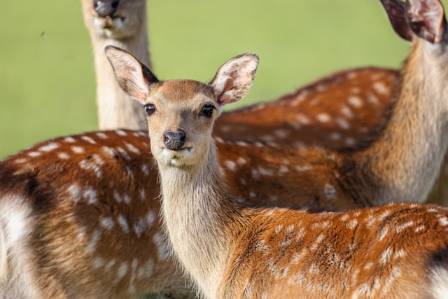
Sika deer present a charming and distinctive figure. They stand just 2.5 feet tall at the rump, with males averaging a mere 90 pounds. Their coat is a dynamic feature, shifting from a reddish-brown adorned with classic white spots in the summer to a dark, almost black hue in the winter. This seasonal camouflage is complemented by a signature white rump patch. Males sport narrow, elegant antlers and a shaggy dark mane, giving them a dignified bearing.
An Adaptable Inhabitant
Originally native to Japan, Taiwan, and eastern Asia, sika deer were introduced to Maryland’s Chesapeake Bay watershed in 1916. They have since thrived on the lower Eastern Shore, demonstrating remarkable adaptability. Their preferred habitat of dense wetland undergrowth offers perfect cover, but they are highly versatile and can acclimate to a variety of environmental conditions, which has been key to their successful establishment.
A Varied and Opportunistic Diet
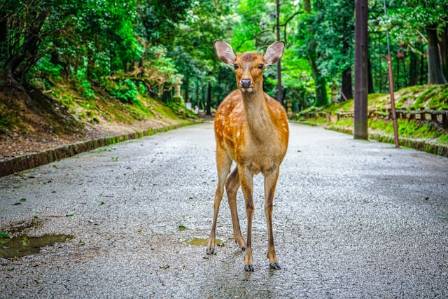
The sika deer is a consummate opportunist at the dinner table. Its diet shifts with the seasons and availability, encompassing marsh grasses, fallen leaves, brushy vegetation, herbs, fungi, and even agricultural crops like soybeans and corn. This flexible foraging strategy, primarily conducted under the cover of night, allows them to thrive in their adopted home and is a testament to their nonnative resilience.
A Symphony of Sounds
Perhaps the most captivating trait of the sika deer is its voice. Unlike many deer species, sikas are intensely vocal, using a repertoire of at least ten distinct sounds to communicate. The herd is alerted to danger by a male’s high-pitched, dog-like bark. Females and young maintain contact through soft bleats and whistles, while the breeding season is punctuated by the male’s haunting, multi-pitched wail—a sound that eerily echoes through the autumn wetlands.
Life Cycle and Reproduction
The breeding ritual, or rut, occurs in the autumn. Males compete to gather harems of up to a dozen females, a demanding process that can cause them to lose nearly a third of their body weight. After a seven-month gestation, a single calf is born. The mother nurses her young for an extended period of up to ten months. With a typical lifespan of 15-18 years in the wild—and even longer in captivity—the sika deer enjoys a stable and successful life cycle in its new home.
A Successful Nonnative Species
Without natural predators like tigers or wolves in the Chesapeake Bay, their population remains stable, managed only by human hunting. Their vigilance and sharp hooves provide adequate defense, but their greatest asset is their profound adaptability—in diet, habitat, and social structure.

The sika deer’s story in Maryland is one of unexpected success. From its expressive vocalizations to its adaptable nature, this small elk has carved out a permanent niche far from its Asian origins. It stands as a compelling example of how a species, when introduced to a new land, can become a vocal and vibrant part of the local tapestry.
Nearby stops
 STOP
· en
Woodpeckers: Storytellers of the Forest
Ella Sterling
 STOP
· en
Fascinating Facts About Lilies
Miles Turner
 STOP
· en
Autumn/Winter Handbag Trends 2025: 6 Styles to Elevate Your Wardrobe
Emma
 STOP
· en
Embracing Simplicity in Interior Design: A Thoughtful Approach
Joshua
 STOP
· en
Nations Boasting the Most Stunning Agricultural Landscapes
Brooke Lane
 STOP
· en
Essential Selection Criteria for Tea Enthusiasts: Curating Your Ideal Set
Nora Elizabeth Ashbury