Dispatch
Secrets of Japan’s Fearless Female Samurai
Though “samurai” is often thought of as a male title, Japan has a long history of female warriors known as onna-bugeisha, dating back as early as 200 AD. These women were trained in combat and strategy, defending their homes, families, and honor alongside male samurai.
Mikayla Emerson
Rider
Desk note
Full dispatch and transfer tips sit below.
Line
Blue Line Walk
Though “samurai” is often thought of as a male title, Japan has a long history of female warriors known as onna-bugeisha, dating back as early as 200 AD. These women were trained in combat and strategy, defending their homes, families, and honor alongside male samurai.
Empress Jingū: One of the First Female Warriors
The earliest known onna-bugeisha, Empress Jingū (169–269), led an invasion of Silla (modern Korea) after her husband’s death. Legend holds that she rode into battle while pregnant, dressed in men’s clothing, and returned without shedding blood. Jingū ruled Japan for decades and became the first woman featured on a Japanese banknote.
Naginata: The Weapon of Choice
Female samurai often wielded the naginata, a polearm with a curved blade. Its design allowed better balance and reach, especially for women of smaller stature. Over time, it became both a symbol of status and a martial art widely taught to women.
Tomoe Gozen: Legendary Warrior
Tomoe Gozen rose to prominence during the Genpei War (1180–85). Skilled in archery, horseback riding, and swordsmanship, she led troops into battle, defeated enemy leaders, and gained a reputation as one of Japan’s first true female generals.
Hōjō Masako: Female Political Power
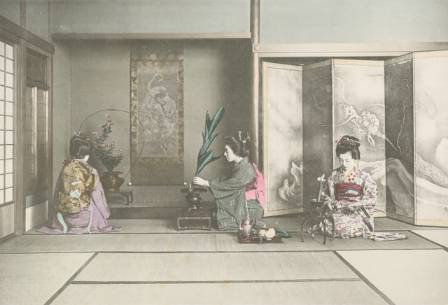
The widow of the first Kamakura shōgun, Hōjō Masako remained influential in politics, guiding her sons who became shōguns. Her example shows that onna-bugeisha could hold both military and political authority.
Noble Status and Martial Training
Onna-bugeisha came from the bushi class, trained to defend homes and villages. In times of invasion, they were expected to fight to the death, wielding their weapons with honor.
A Significant Part of the Samurai
Female warriors were integral to samurai clans, protecting communities and teaching martial arts. Historical accounts show women participated in battles, such as the Battle of Senbon Matsubaru in 1580, where a third of the fallen were women.
Kunoichi: Female Ninjas
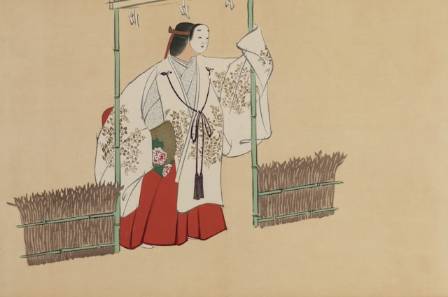
During the 16th century, women also trained as ninjas, or kunoichi. Mochizuki Chiyome formed secret female networks of spies, messengers, and assassins, often disguised as shrine maidens or geisha, serving the Takeda clan.
Nakano Takeko and the Last Stand
In 1868, Nakano Takeko led the Joshitai female warriors during the Battle of Aizu. Wounded in battle, she requested her sister decapitate her to avoid enemy capture. Her death marked the end of the onna-bugeisha as a prominent force.
Decline During the Edo Period
With the start of the Edo period in the 17th century, women’s military status diminished. Samurai men shifted toward teaching and bureaucracy, and women were largely confined to domestic roles.
A Forgotten Legacy
By the 19th century, Western narratives and cultural shifts painted samurai as exclusively male. The bravery and achievements of the onna-bugeisha faded from mainstream history, leaving a legacy largely overlooked until modern research began to restore their story.
Nearby stops
 STOP
· en
Exploring the World of Industrial Robots
Theron Dales
 STOP
· en
The Five Best Lighthouses of All the Lighthouses
Tristan Avery
 STOP
· en
Easy Matcha Pudding
Aurelia Ridge
 STOP
· en
Rural landscape painting ideas
Evan Blake
 STOP
· en
Embrace the Treetop Magic: 5 Remarkable Tree Houses in Bali for an Extraordinary 2023 Getaway
Ella Skye
 STOP
· en
Fascinating Facts About Dolphins
Samuel