← Back to desk2 min ride
Dispatch
Top 10 Fascinating Facts About Mountain Gorillas & Conservation Efforts
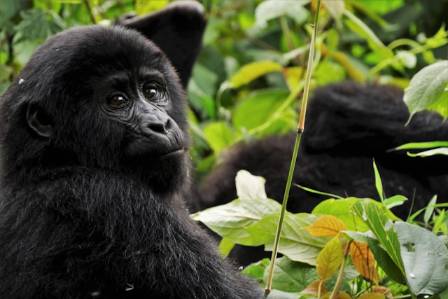
Recent census data reveals approximately 1,063 mountain gorillas surviving in their natural habitat. These impressive primates inhabit two isolated regions: the Virunga Mountains spanning Rwanda, Uganda, and Democratic Republic of Congo, and Uganda's Bwindi Impenetrable National Park. Their high-altitude forest habitats face increasing pressure from human activities.
E
Elias Thorne
Rider
Desk note
Full dispatch and transfer tips sit below.
Line
Blue Line Walk
Population Status and Distribution
Recent census data reveals approximately 1,063 mountain gorillas surviving in their natural habitat. These impressive primates inhabit two isolated regions: the Virunga Mountains spanning Rwanda, Uganda, and Democratic Republic of Congo, and Uganda's Bwindi Impenetrable National Park. Their high-altitude forest habitats face increasing pressure from human activities.
Genetic Relationship with Humans
Sharing about 98% of our DNA, mountain gorillas exhibit remarkable genetic similarity to humans. This close relationship makes them highly vulnerable to human diseases, with even common colds potentially proving fatal to these majestic creatures.
Physical Characteristics
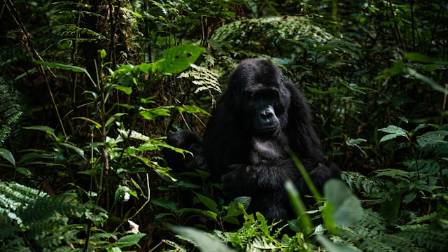
As one of the largest living primates, adult male silverbacks can reach 180kg in weight and stand 170cm tall. Females are significantly smaller, typically weighing around 90kg. Their impressive size and strength make them truly awe-inspiring to observe in their natural environment.
Feeding Habits
Mountain gorillas spend up to a quarter of their day feeding, primarily consuming leaves, shoots, and stems. Their diverse diet also includes larvae, snails, ants, and occasionally bark or rotting wood, which provides essential minerals like sodium.
Social Behavior and Communication
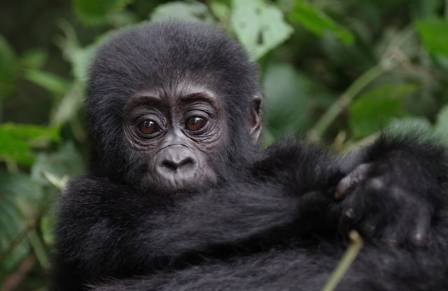
Living in stable family groups of about ten individuals, mountain gorillas exhibit complex social structures. They communicate using at least 16 distinct vocalizations, from curious barks to intimidating roars. At night, families nest together on the ground or in trees, with infants sharing their mothers' nests for warmth and protection.
Conservation Challenges
The primary threat to mountain gorillas remains habitat loss due to agricultural expansion and human settlement. Additional challenges include poaching, human-wildlife conflict, and poorly managed tourism. However, through dedicated conservation efforts including community engagement and responsible tourism practices, these remarkable primates continue to survive against the odds.
Nearby stops
 STOP
· en
The Five Best Lighthouses of All the Lighthouses
Tristan Avery
 STOP
· en
Rooster Behavior in Your Backyard Flock
Tessa Rowan
 STOP
· en
6 of the Coolest Guitars Throughout History
Max Harrison
 STOP
· en
Fascinating Facts About Dolphins
Samuel
 STOP
· en
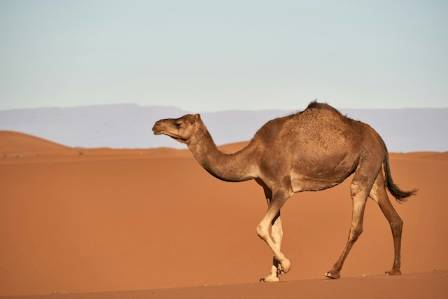
Dromedary Camel: The Desert Survivor With One Hump
Elodie Crane
 STOP
· en
A Beginner's Guide to Creating Adorable Felt Animals
Rachel Barkowski