Dispatch
Essential Guide to Wood Coffee Tables: Natural Warmth and Timeless Style
A wooden coffee table serves as the central "anchor" of the living room, providing a versatile surface for daily essentials while bringing people together. Beyond its functional role, the unique grain patterns, varying tones, and natural textures of wood offer an organic warmth that glass or metal often lack. This guide explores the different types of wood, maintenance strategies, styling tips, and functional considerations to help you choose a piece that enhances your living environment.
Aaron Benjamin Hawthorne
Rider
Desk note
Full dispatch and transfer tips sit below.
Line
Blue Line Walk
A wooden coffee table serves as the central "anchor" of the living room, providing a versatile surface for daily essentials while bringing people together. Beyond its functional role, the unique grain patterns, varying tones, and natural textures of wood offer an organic warmth that glass or metal often lack. This guide explores the different types of wood, maintenance strategies, styling tips, and functional considerations to help you choose a piece that enhances your living environment.
The Appeal and Composition of Wood Furniture
Wood furniture possesses a unique "lived-in" character that softens the rigid lines of modern sofas, making a home feel more relaxed and inviting. Currently, wooden pieces represent approximately 39% of the furniture market in the United States, a testament to their enduring versatility and style. When selecting a table, it is essential to understand the differences between solid wood, veneer, and engineered options.
-
Solid Wood: Crafted from genuine timber throughout, these pieces are substantial and can often be refinished as they age. They are ideal for long-term homeowners looking for heirloom-quality items.
-
Wood Veneer: This involves a thin layer of real wood over a stable core like plywood. It offers the authentic look of solid wood at a more accessible price point and is less prone to warping in changing climates.
-
Engineered Wood (MDF/Plywood): A budget-friendly and lightweight choice that resists warping, though it generally cannot be sanded or refinished once damaged.
Comparing Hardwoods and Softwoods
The classification of wood impacts its daily performance. Hardwoods—such as oak, walnut, and maple—are dense and highly resistant to dents, making them perfect for active households with pets or children. Oak is celebrated for a visible grain that disguises scuffs, while walnut provides sophisticated, deep chocolate tones that complement mid-century modern aesthetics. Maple is prized for its pale, smooth finish, fitting seamlessly into Scandinavian or "Japandi" designs.
Softwoods, like pine or fir, are lighter and more prone to marking. These are better suited for decorative areas where a slightly weathered look is appreciated as part of the piece's charm. Additionally, rustic options like acacia or reclaimed wood feature distinct knots and color variations that gain character over time.
Durability and Long-Term Maintenance
Protecting your investment requires a few simple but effective habits. Using coasters for all beverages and felt pads under decorative objects prevents water rings and surface scratches. For daily cleaning, the method depends on the finish:
-
Oil Finishes: These benefit from pH-neutral cleaners and a periodic re-application of oil to keep the fibers hydrated.
-
Lacquer or Polyurethane: These are more resilient and typically only require a wipe with a damp cloth followed by a dry one.
-
Low-Sheen Surfaces: These are excellent for hiding fingerprints and smudges, whereas glossy finishes tend to highlight every mark.
Strategic Style Pairing and Wood Tones
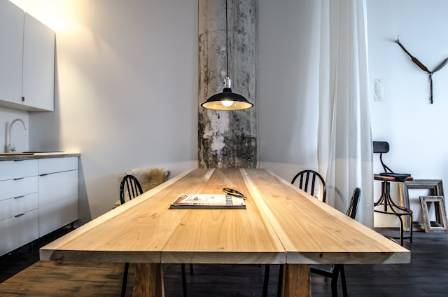
Achieving a cohesive look does not require perfectly matching every wood shade in the room. Instead, focus on the undertones: warm (red/yellow), cool (gray), or neutral. A successful design often follows the "hero, supporter, and accent" rule. For instance, if you have oak flooring (hero), you might choose a walnut coffee table (supporter) and a black metal side table (accent) to create depth without clashing.
Style also dictates the silhouette. Minimalist rooms benefit from low profiles and slim legs, while farmhouse interiors are enhanced by chunky, reclaimed wood designs. For a timeless "safe choice," a medium-tone oak table coordinates well with almost any rug or sofa color.
Optimizing Size, Shape, and Functionality
To ensure the perfect fit, your coffee table should be approximately one-half to two-thirds the length of your sofa. In terms of height, the table should sit level with the sofa cushions or up to 2 inches lower. For comfortable movement, leave about 18 inches of space between the table and the seating.
Functionality is equally important. If your living room doubles as a home office or dining area, a lift-top coffee table provides a versatile raised surface while hiding clutter in internal compartments. Square or rectangular shapes maximize surface area for larger sectionals, whereas round or oval tables are superior for tight walkways and are safer for households with young children.
Sustainable and Eco-Conscious Choices
As the center of family life, the environmental impact of your furniture matters. Prioritize pieces with FSC certification, which ensures the wood is responsibly sourced. Additionally, look for low-VOC (Volatile Organic Compound) or water-based finishes to maintain better indoor air quality. True sustainability also involves "buying once and buying well"—investing in a high-quality, timeless design reduces the need for frequent replacements and minimizes waste over time.
Nearby stops
 STOP
· en
The Key Reasons to Purchase a Watermill Painting
Eloise
 STOP
· en
Eleven Works of Plein Air Painting Inspired by Rivers and Woods
Kelly Kane
 STOP
· en
Skydiving Then and Now: From Brave Beginnings to Modern Thrills
Mary Johnson
 STOP
· en
7 Essential Tips for a Thriving Indoor Windowsill Garden
Kate
 STOP
· en
The Most Epic Road Trips in the World: A Traveler’s Driving Guide
Daniel Lee
 STOP
· en
Importance of Microscope in our Daily Life
Ethan Scott