Dispatch
How to Grow and Care for a Rubber Tree Plant
With their oversized, smooth, and shiny leaves, rubber tree plants can instantly bring a bold tropical feeling to indoor spaces. Similar to the popular fiddle leaf fig, rubber plants have specific preferences when it comes to light, water, and growing conditions. Fortunately, these tropical beauties are relatively simple to maintain once their needs are understood.
Ezra Bennett
Rider
Desk note
Full dispatch and transfer tips sit below.
Line
Blue Line Walk
With their oversized, smooth, and shiny leaves, rubber tree plants can instantly bring a bold tropical feeling to indoor spaces. Similar to the popular fiddle leaf fig, rubber plants have specific preferences when it comes to light, water, and growing conditions. Fortunately, these tropical beauties are relatively simple to maintain once their needs are understood.
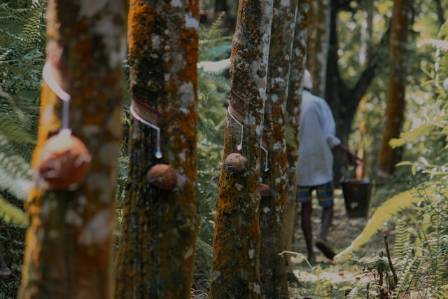
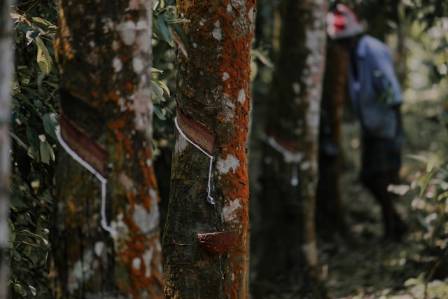
Rubber trees are native to regions of India and Southeast Asia, where they naturally grow beneath taller trees and receive filtered sunlight. Their scientific name is Ficus elastica, and they are named after the milky latex found in their sap. In some parts of the world, this latex is still collected and used to produce lower-quality rubber materials.
In their natural environment, rubber trees can become enormous, often reaching heights of 50 to 100 feet. Indoors, their final size depends on the specific variety and growing conditions. Compact types may remain around 2 feet tall, while standard varieties can grow up to 10 feet or more when given enough space. Their large leaves can appear in shades of deep green, burgundy, or green with pink and cream tones, and some leaves can grow over a foot long.
Like many ficus species, rubber trees are sensitive to sudden environmental changes. Moving them too quickly between locations or changing their care routine abruptly can cause stress and lead to leaf drop. Allow your plant time to adjust whenever conditions change.
Caring for Rubber Tree Plants
Although rubber trees come from tropical environments, they adapt surprisingly well to indoor living. With proper adjustment time and the right balance of temperature, humidity, light, and watering, they can thrive as houseplants.
Light
Rubber plants grow best with bright but filtered sunlight. A location near an east-facing window is often ideal because it provides gentle morning light without harsh afternoon rays. Strong direct sunlight can scorch the large leaves and cause them to lose their attractive shine. While rubber plants can survive in lower-light areas, brighter conditions encourage stronger stems and healthier growth.
Soil
A rubber tree needs soil that drains well while allowing enough air to reach the roots. A quality indoor potting mix designed for container plants usually provides the right combination of moisture retention and drainage. Avoid heavy soils that remain wet for long periods.
Water
Rubber trees handle dry conditions better than many other ficus plants, but they do not tolerate extremes. Both overwatering and underwatering can cause leaves to fall. Let the top layer of soil become slightly dry before watering deeply. Do not allow the plant to become severely dehydrated or develop wilted, hanging leaves. During colder winter months, reduce watering because the plant’s growth slows down.
Fertilizer
Rubber plants grow actively from spring through late summer and benefit from regular feeding during this period. A balanced fertilizer can provide the nutrients needed for strong stems and attractive foliage. Natural fertilizers containing nitrogen can also help maintain the plant’s rich green appearance. Stop or greatly reduce fertilizing during winter when growth becomes slower.
Pruning
Without pruning, rubber trees naturally develop a tall, upright shape. If you want a fuller and bushier plant, trim branches back several inches during late winter. Cutting encourages new side growth and creates a more compact appearance. Remove dead or damaged leaves whenever necessary, but always wear gloves because the plant’s milky sap may irritate sensitive skin.
Propagation
Rubber trees naturally produce aerial roots in the wild, similar to some other tropical plants such as monstera. Because of this, they can be successfully multiplied through stem cuttings. Early spring is usually the best time to propagate. Using a rooting aid can improve the chances of faster and stronger root development.
Repotting
Rubber plants generally need a larger container every two to three years as their roots expand. When moving the plant to a new pot, choose one that is only slightly larger than the current container. A pot that is too large can hold excess moisture and create root problems. Adding a plant starter product during repotting can also help reduce stress and support healthy new growth.
Solving Common Rubber Plant Problems
Most rubber tree issues are caused by incorrect watering habits or unsuitable growing conditions. Sudden changes such as moving the plant, altering watering schedules, changing fertilizer routines, or seasonal shifts in indoor temperatures can quickly lead to problems like curling leaves, yellow foliage, or leaves dropping.
It is normal for an older lower leaf to occasionally turn yellow and fall away. However, widespread yellowing or frequent leaf loss usually indicates a larger problem. Overwatering is one of the most common causes of trouble, not only for rubber trees but also for many other indoor plants.
If your rubber plant begins to look unhealthy, review its care routine carefully before making major changes. Avoid trying to fix the issue by suddenly adding extra water or fertilizer, as this can create additional stress. Instead, return to a consistent care schedule and provide the stable environment the plant needs.
Rubber tree leaves and sap can be harmful if eaten by pets or people. Dogs, cats, and children should not have access to the plant. Some individuals may also experience skin irritation after touching the sap, so wearing gloves while pruning or handling the plant is recommended.
With the right care and attention, rubber tree plants can become impressive indoor companions that remain beautiful for many years. Understanding their basic needs will help you enjoy their dramatic foliage and tropical charm in your home.

Nearby stops
 STOP
· en
Exploring the Enigmatic: 10 Extraordinary Oceanic Creatures Revealed by Scuba Diving
Callum Orion
 STOP
· en
Flight of an Air Rocket
Nina Blake
 STOP
· en
Charting the Course: Your Blueprint for a Safe Offshore Passage
Aurora Parker
 STOP
· en
The Best Nightstands to Enhance Your Bedroom Decor
Molly Spencer
 STOP
· en
Easy Fruit Milk Tea Recipe
Olivia Foster
 STOP
· en
The Downsides of Consuming Soft Drinks
Michael Langford